We go great lengths to conjure lifeblood of a vibrant society
International folk and cultural centre
Our consultation is always in sync with your strategy
IFCC is an organization that promotes culture and arts worldwide. IFCC is a neighborhood community arts organizations, private facilities, government-sponsored, or activist-run.
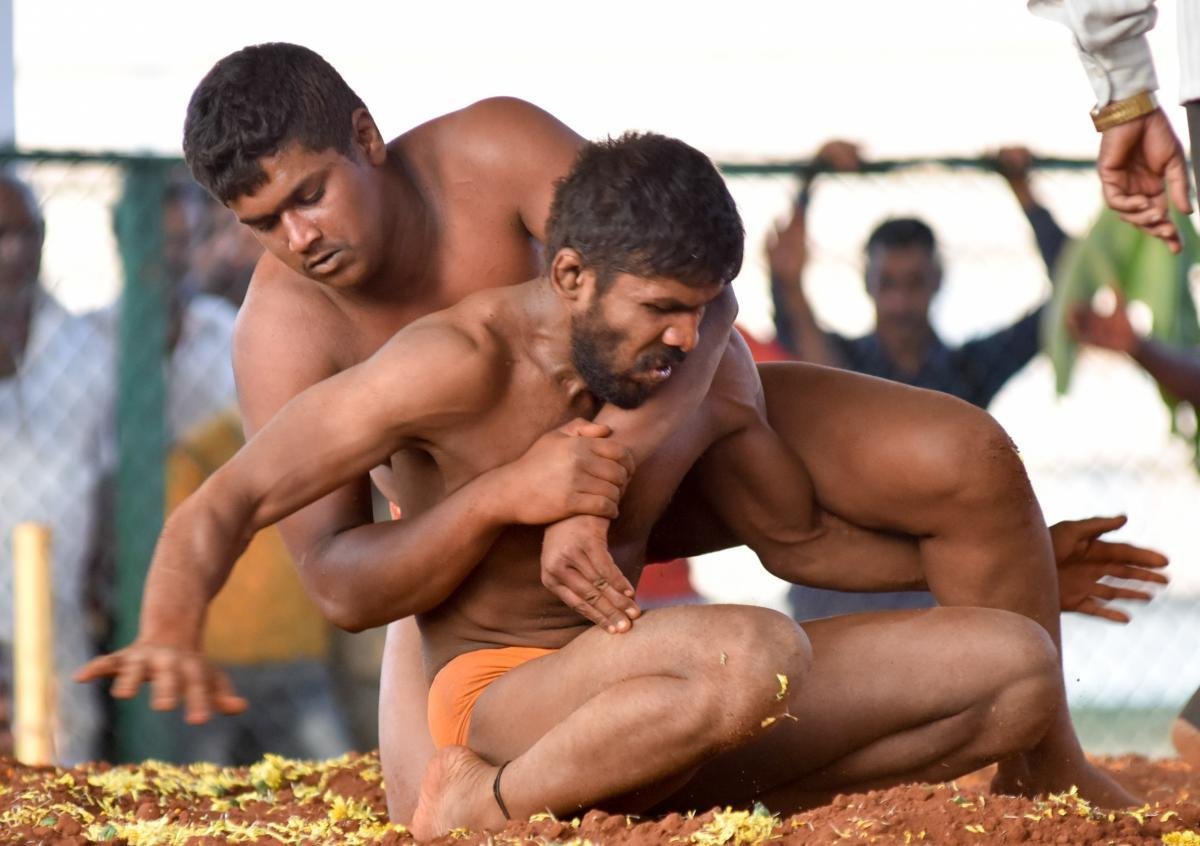
Traditional games of India
Look no further to experience rich sports heritage of India for games like Kushti, Kho Kho, and Kabaddi.
Upcoming events
Get in touch
Our Events and Promotions
IFCC is a full-service folk and cultural events planner specializing in organizing Indian community celebrations internationally.
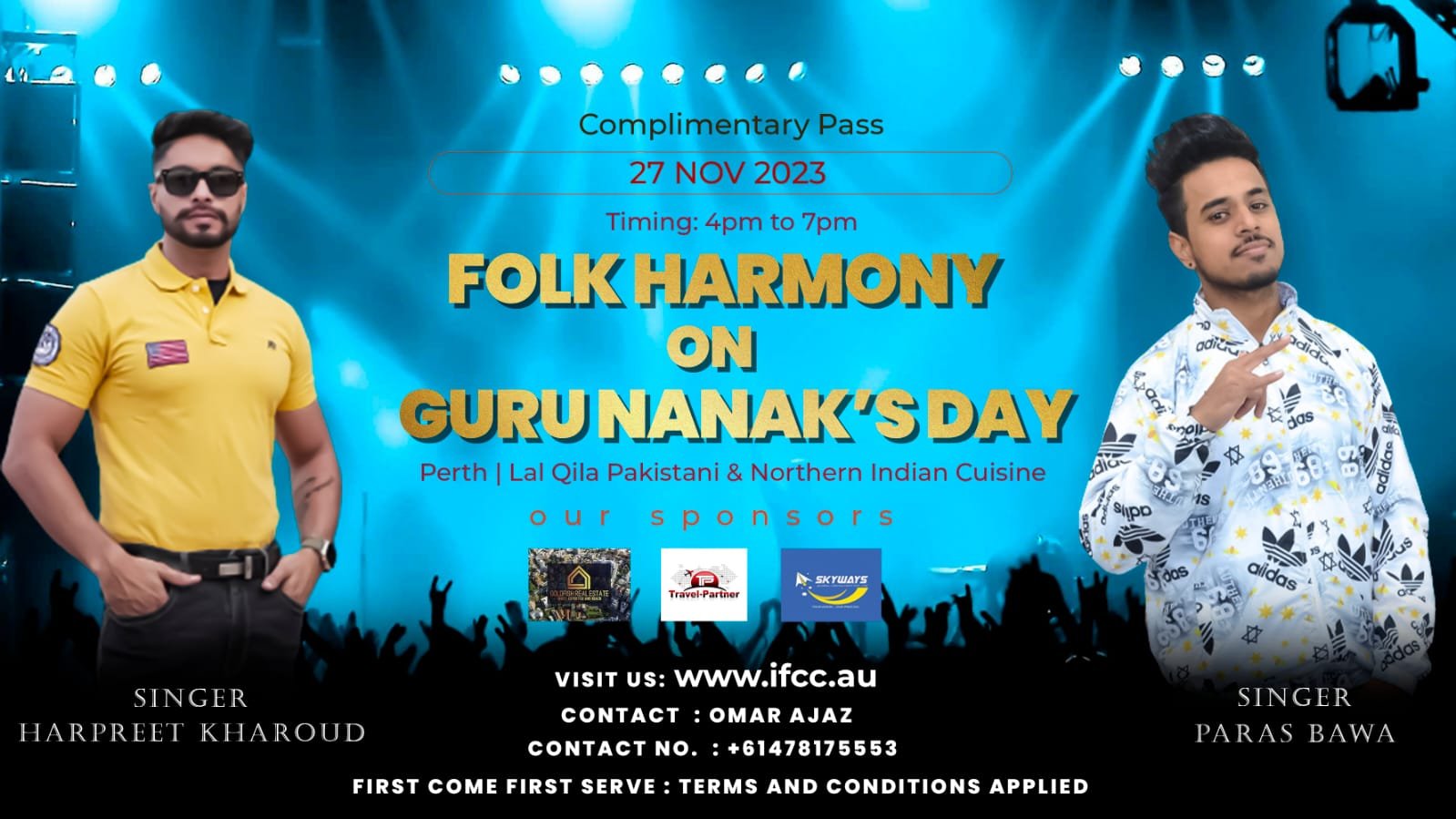
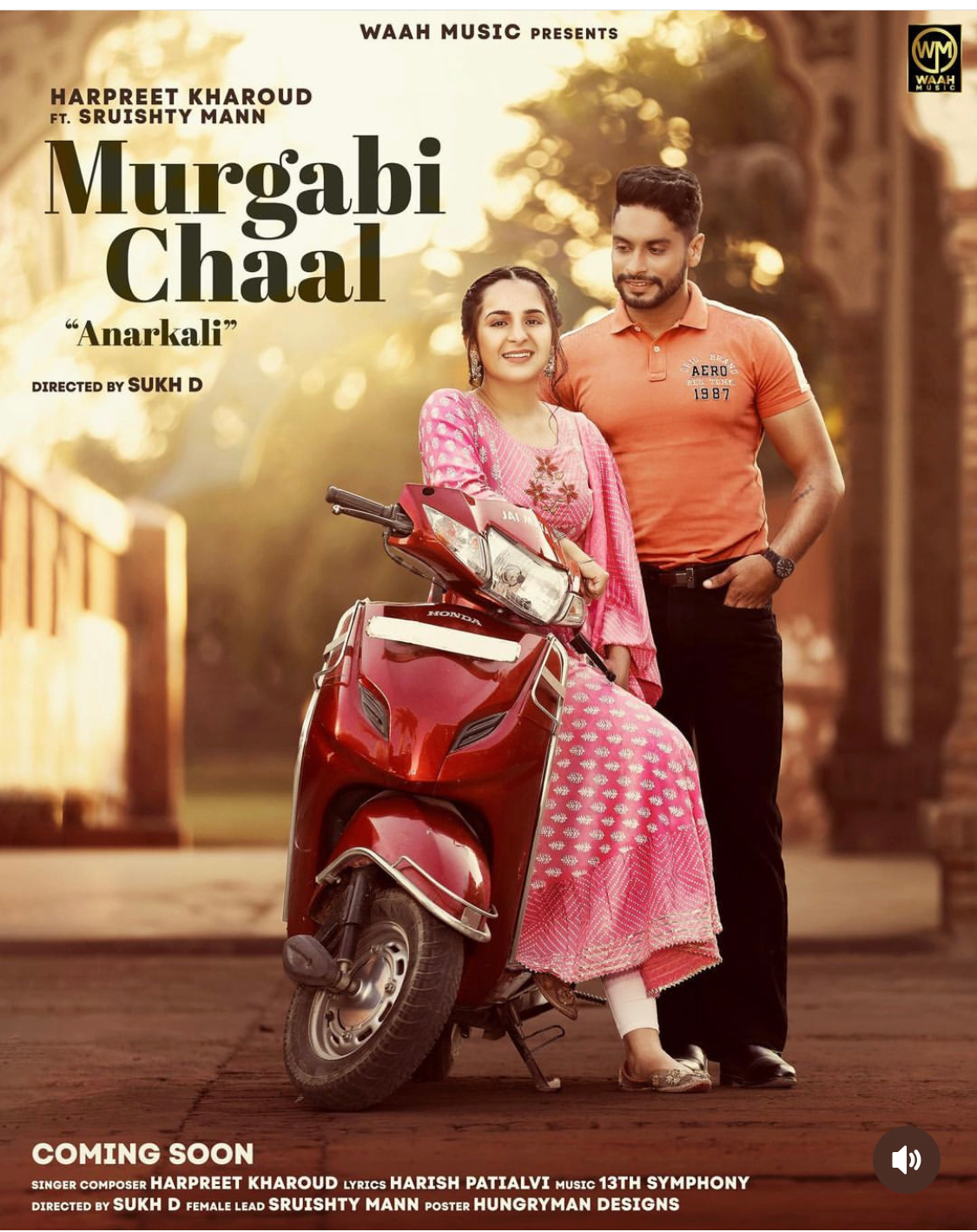
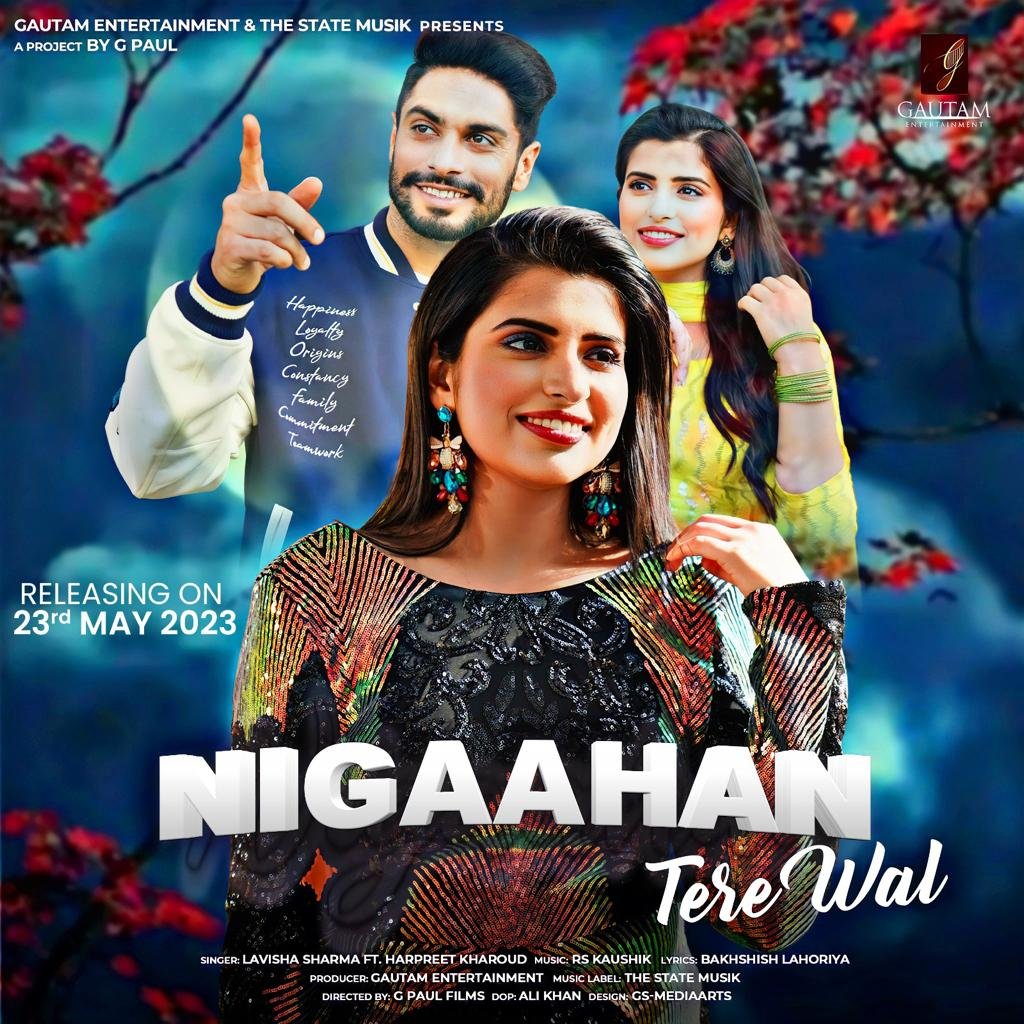
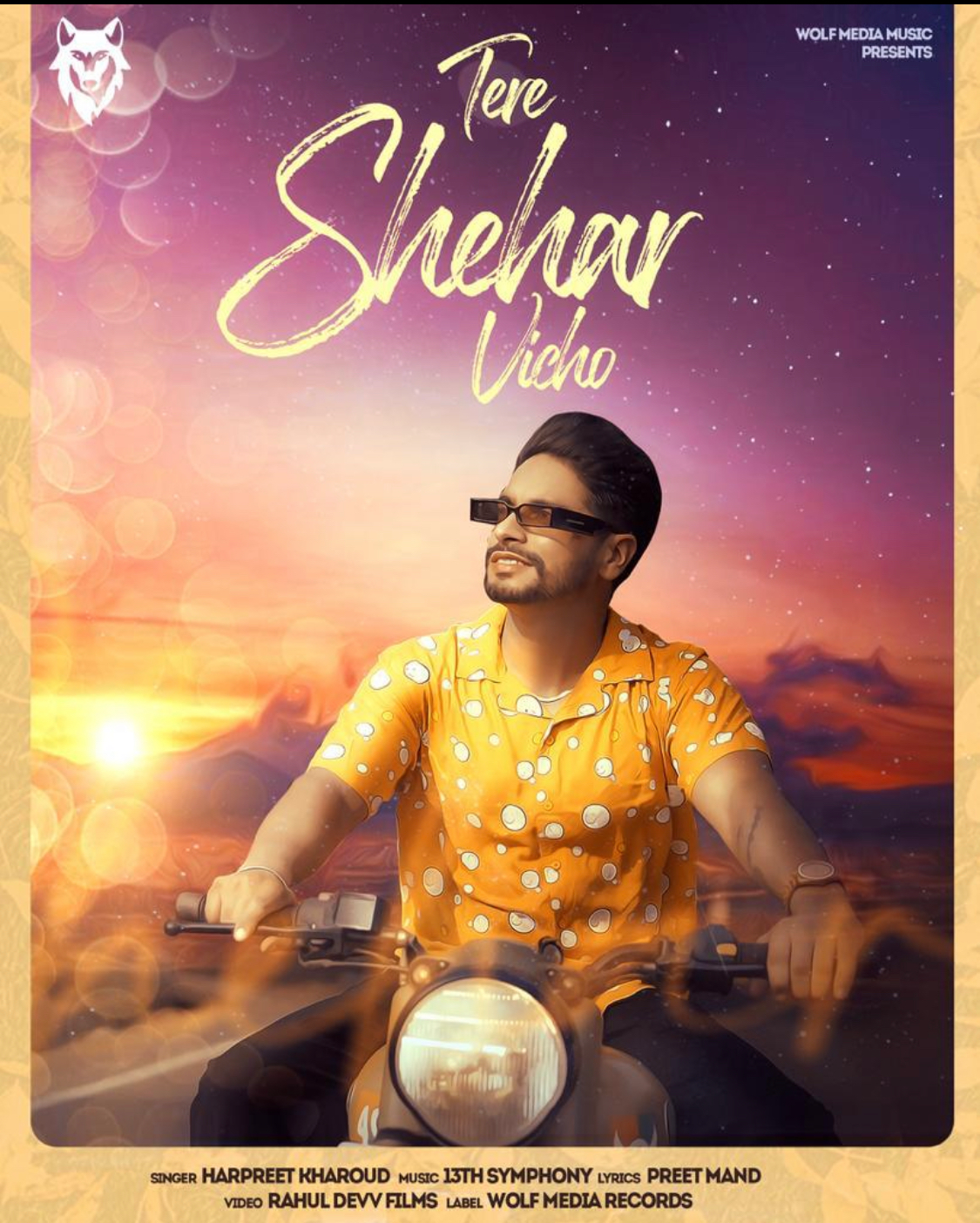
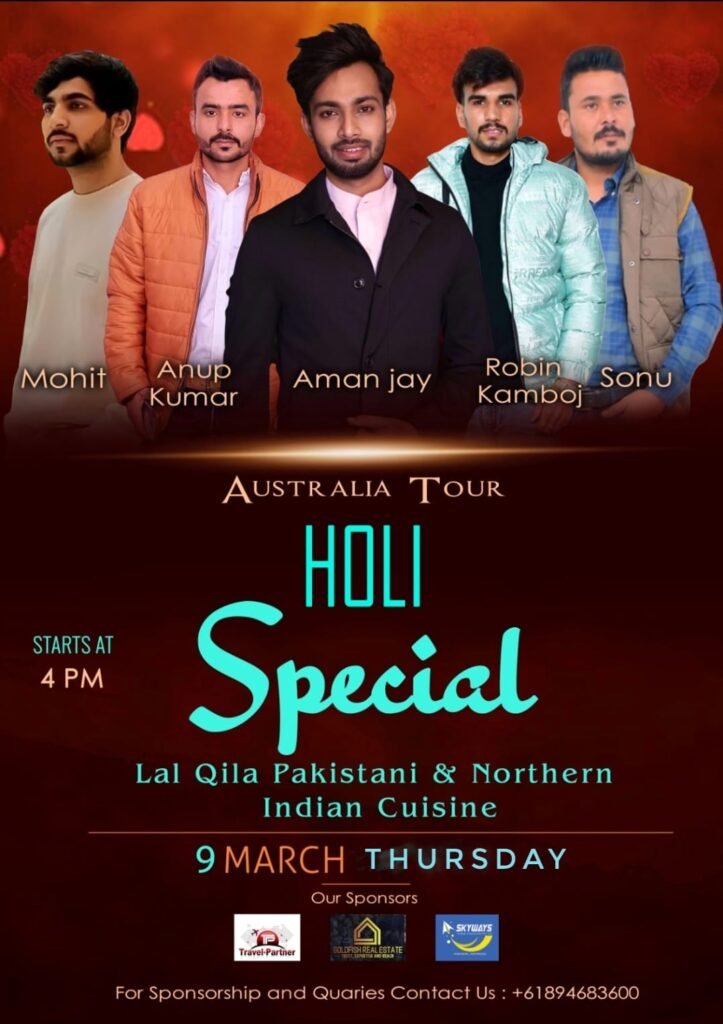
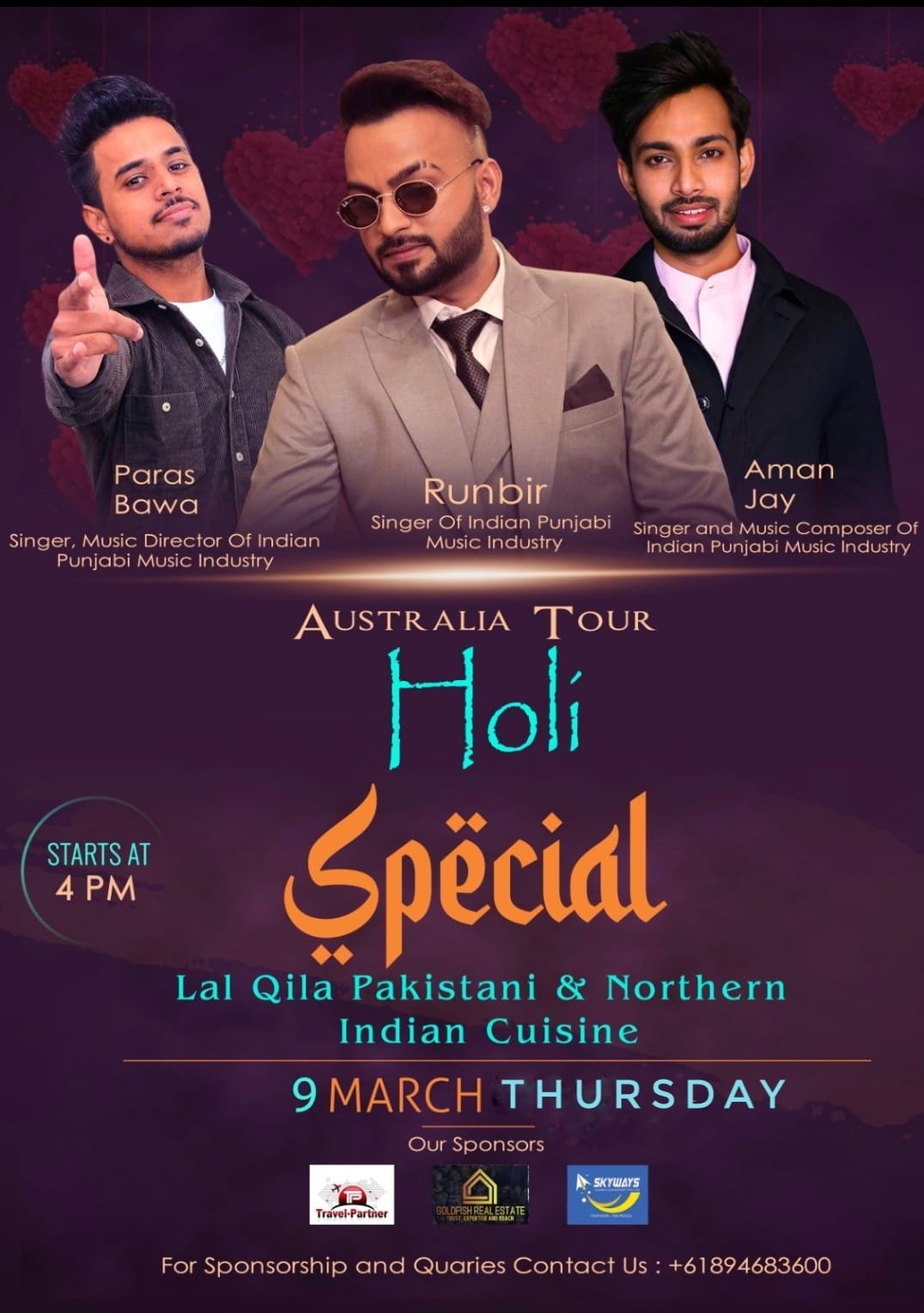
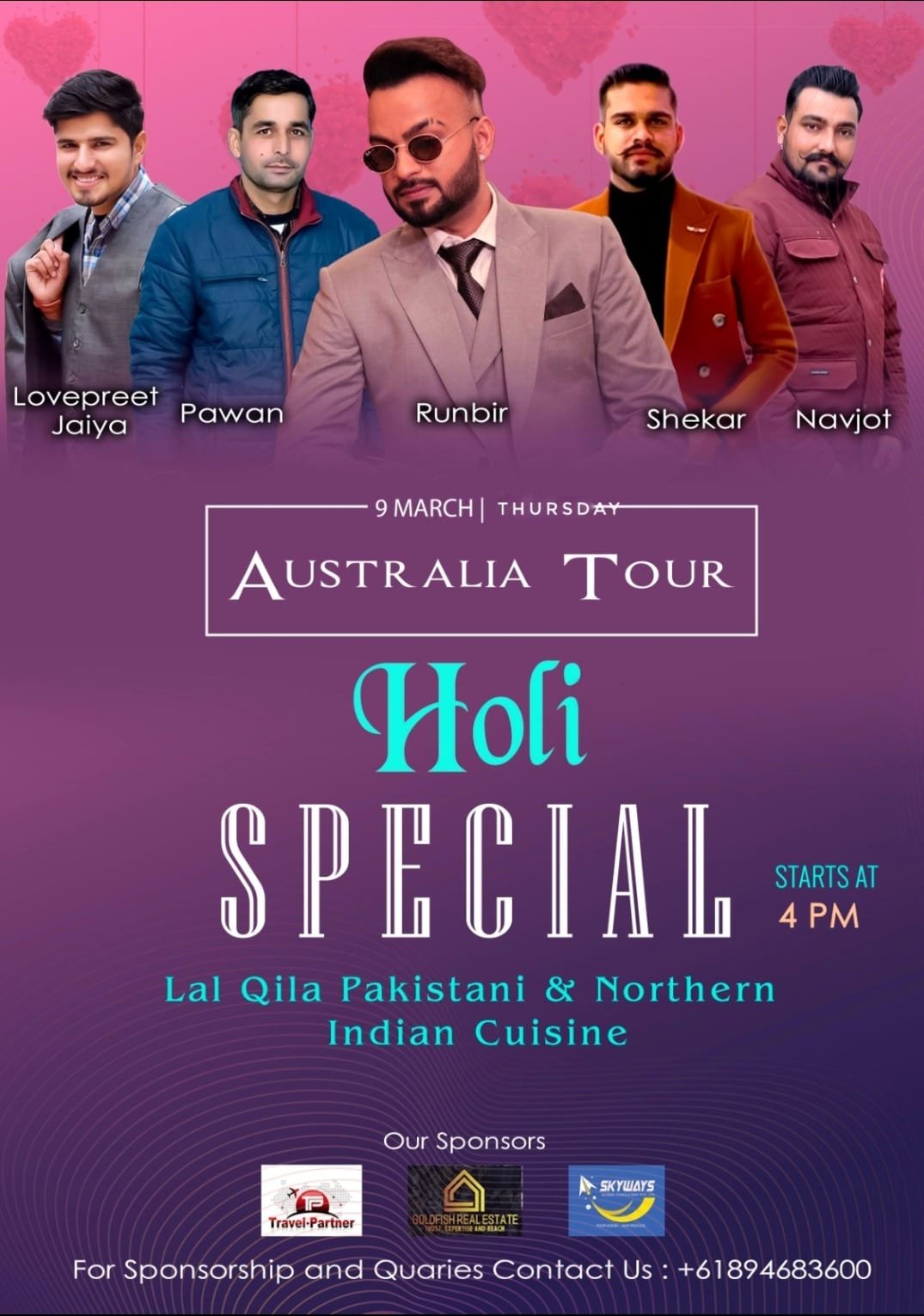
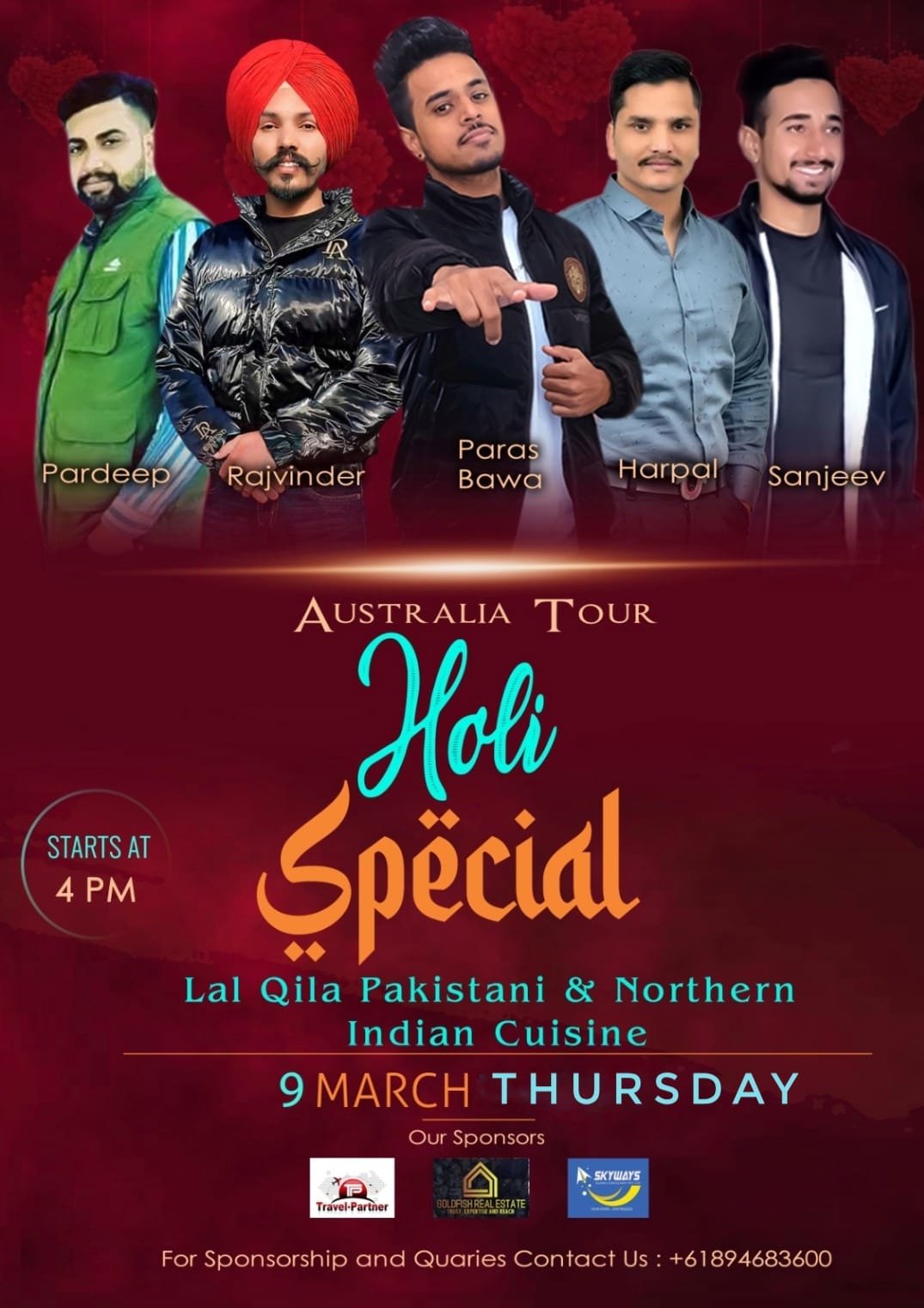
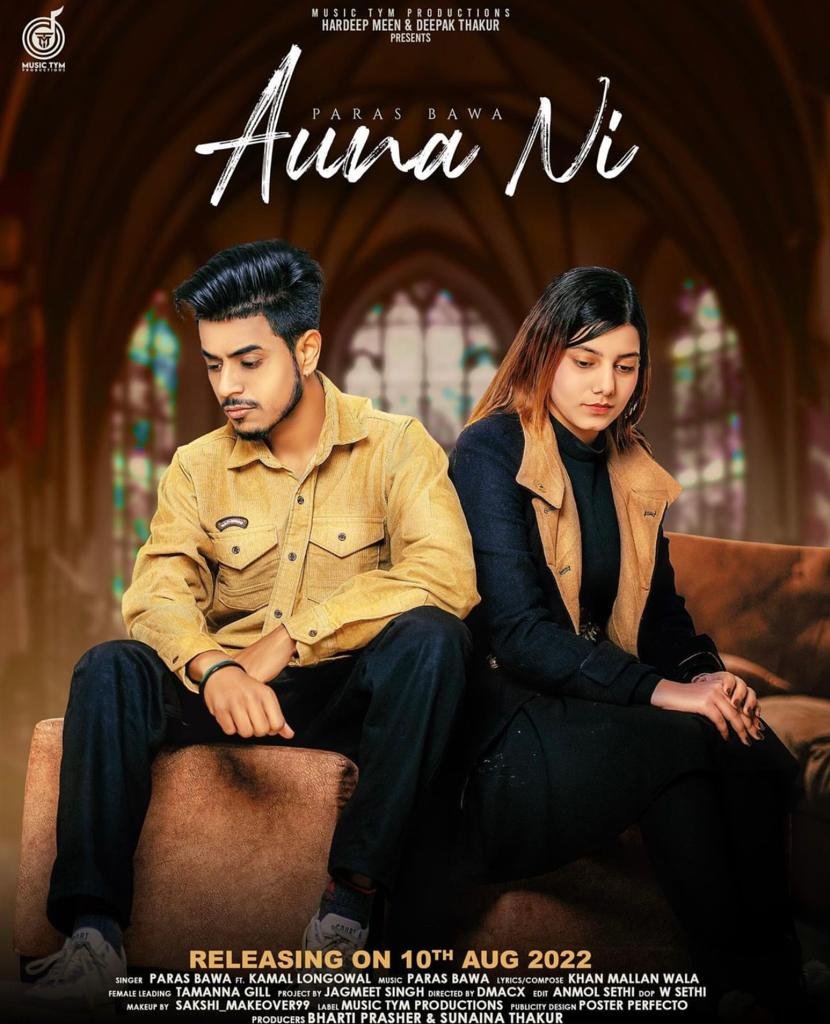
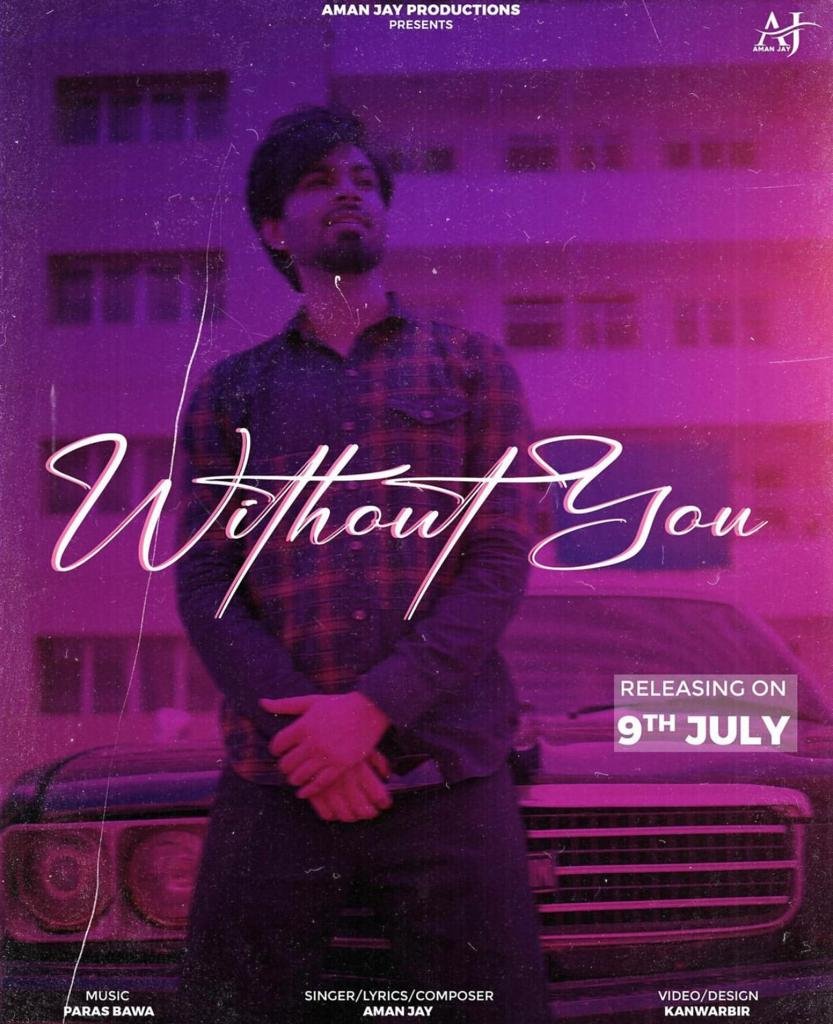

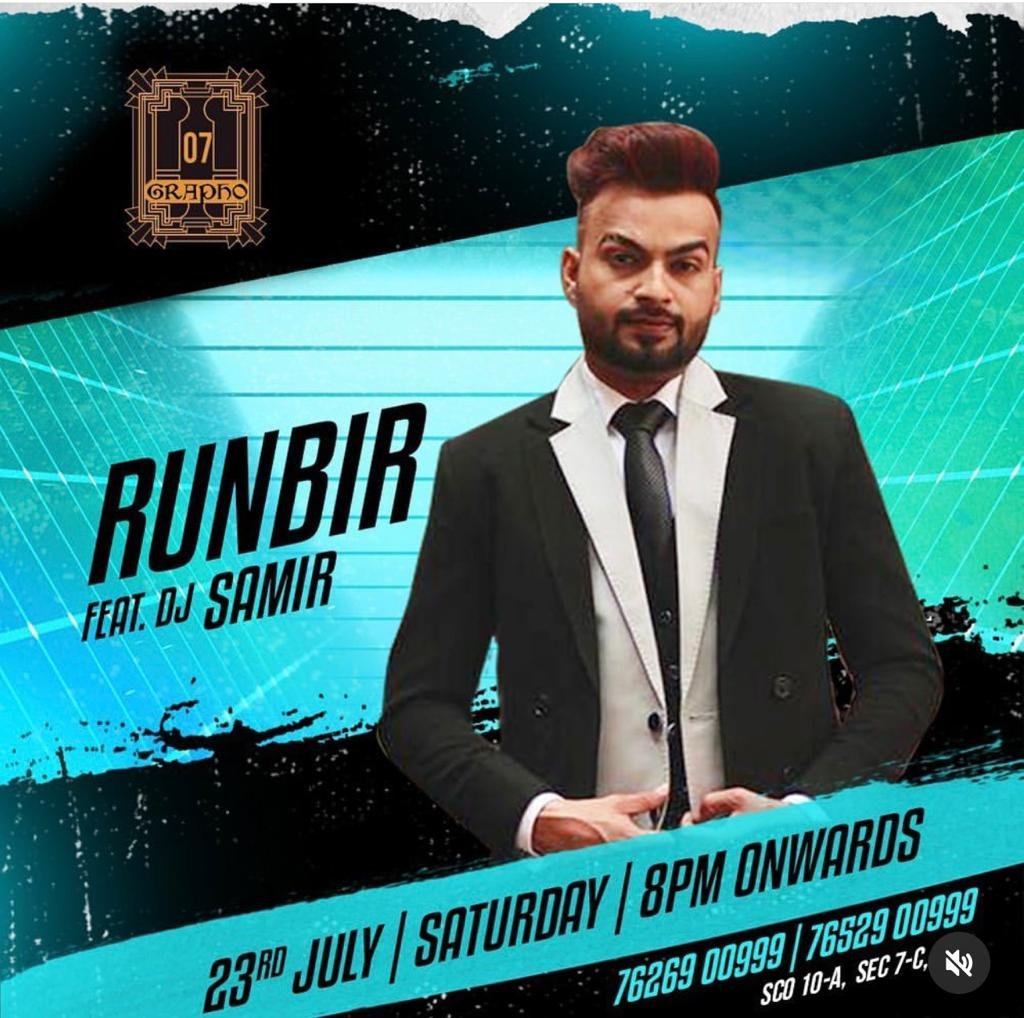
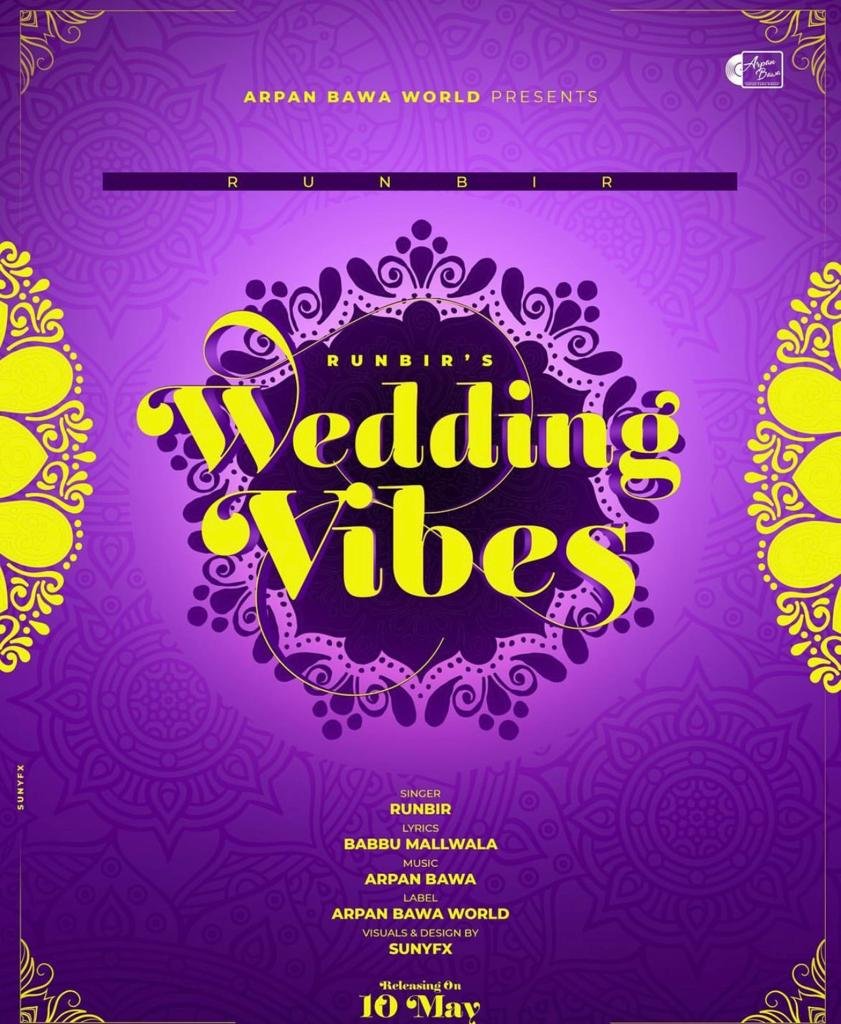
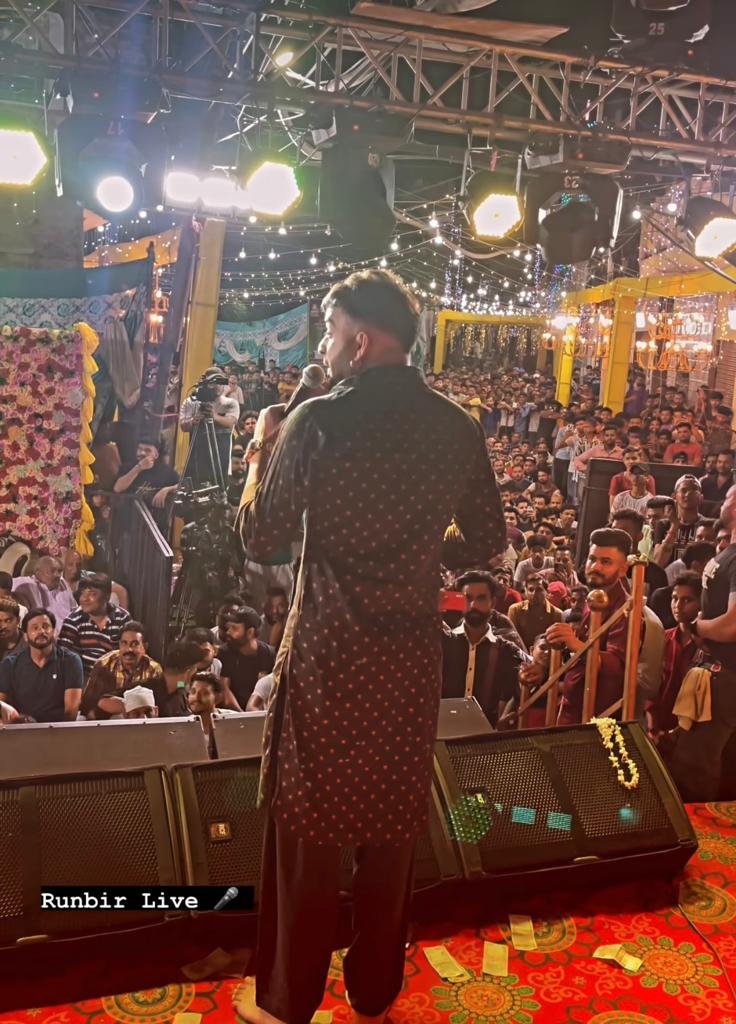
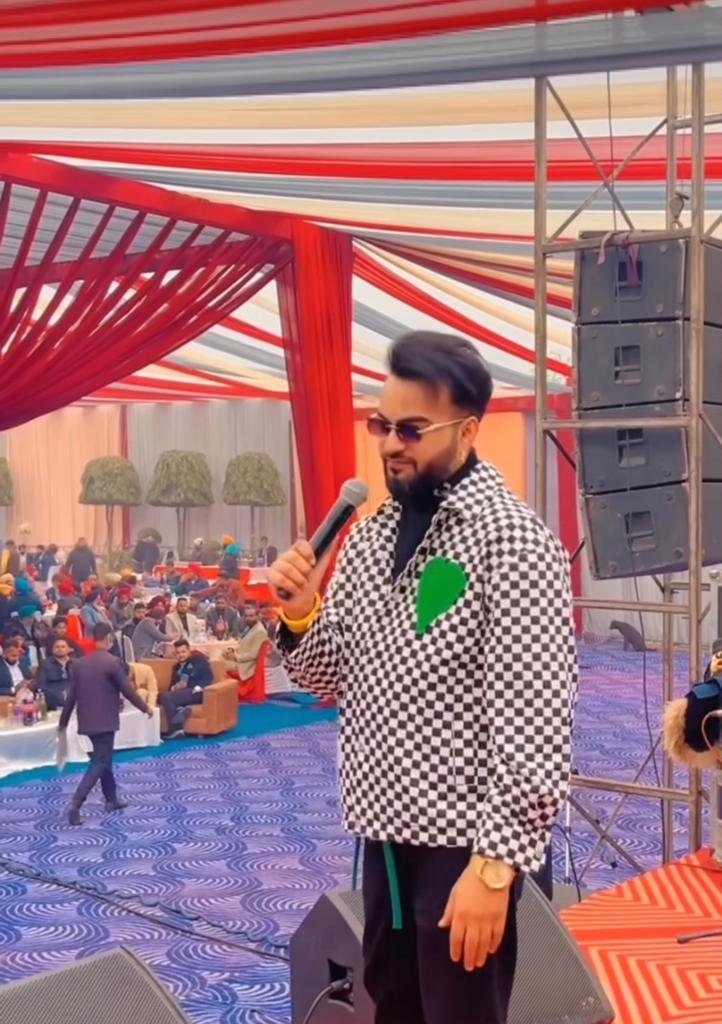
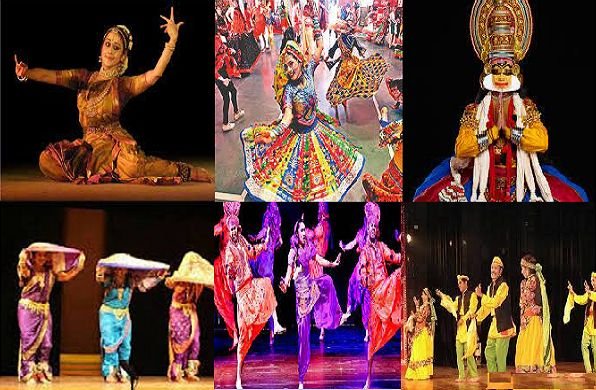
Let’s explore ever-evolving wealth of tradition!
IFCC is purposed to spread a sense of belonging while fueling the true of essence of globalization among different communities.
We provide celebration planning and design to immeasurable heights. Embrace the season of traditional continuity with love that makes your society very interesting and vibrant.
Uniquely cultural
Bringing to life the unimaginable folk & culture at a global stage.
Indian Folk Dances
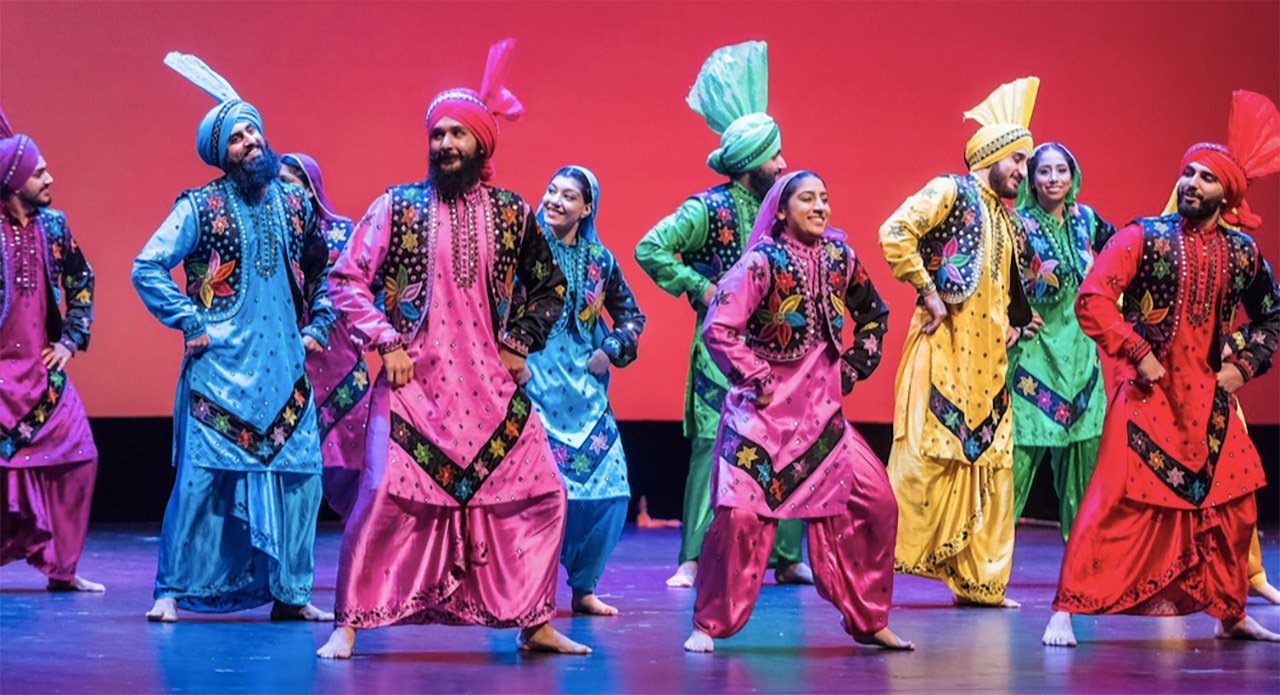
It is said that punjabi farmers has invented the bhangra in the 14th or 15th century to commemorate the harvest. Bhangra became a mainstay of nearly all significant ceremonies in Punjab over time, including weddings and festivals. A drum called the dhol provides the beat for the Bhangra. Giddha tells the tales of women’s lives, including domestic life, marriage, sexuality, and homesickness. Women typically dress in brightly coloured salwar kameez and jewellery for this folk dancing style. Women do this dancing style while standing in a circle and clapping rhythmically.
Traditional Games of India
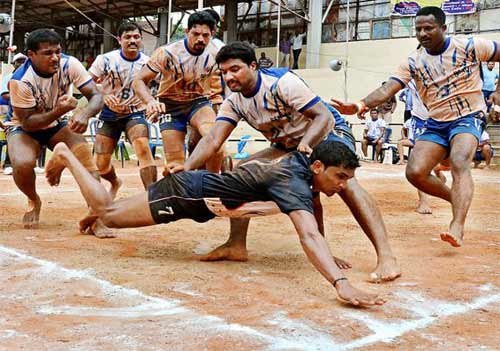
Ancient India gave rise to the traditional Indian sport known as kho kho or kho-kho. After kabaddi, it is the second most played traditional tag game in the Indian subcontinent. It improves people’s physical fitness since players must run and sit simultaneously. kabaddi games need a lot of mental activity because each player must develop their own winning strategy. The Indian subcontinent is the home of the contact sport known as Kabaddi. It is one of the most well-liked sports in India and is primarily performed by villagers. Amar, Suranjeevi, Huttuttoo, and Gaminee are the four varieties of kabaddi that are played in India.
Indian Folk Art
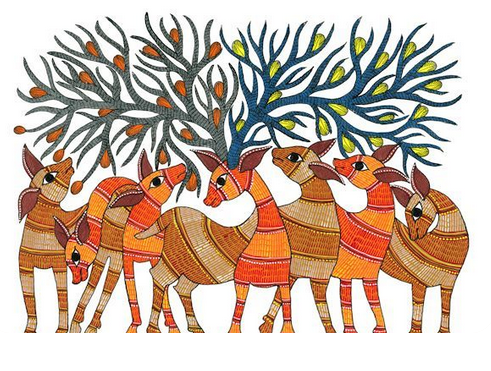
The most renowned paintings in the world are those of Madhubani. This well-known form of art created in the Mithila region reflects the sensitivity and ingenuity of its inhabitants. Like all folk art, it exhibits the psychology of the culture to which it belongs and is a fascinating reflection of regional morality, beliefs, and practises. On the other hand, the Kalighat paintings are significant because of their capacity to add volume using lines. From the beginning, the Kalighat paintings were a sort of popular art. It continues to incorporate societal changes, preventing the art form from becoming static.